Is Depression a Normal Part of Getting Older?
Watch: Is Depression a Normal Part of Getting Older?
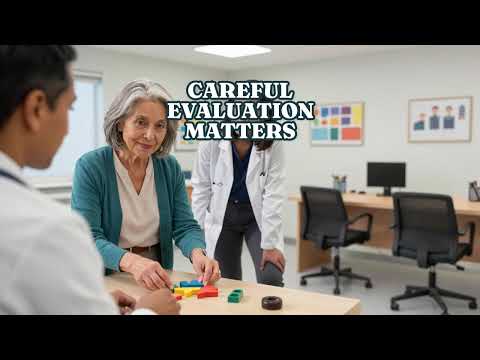
Feeling persistently low is not a normal part of getting older, though it is often treated as one. If you are caring for yourself or a parent in Denver or elsewhere in Colorado, this post explains what depression can look like later in life and what care can involve.
Common, underdiagnosed and treatable
Depression in older adults is common, underdiagnosed and highly treatable. It tends to look different from depression earlier in life, which is one reason it is missed.
What it can look like
Rather than describing sadness, an older person may report:
- Aches.
- Digestive trouble.
- Poor sleep.
- Low energy.
- Difficulty remembering things, with a worry that the memory changes signal dementia.
Loss of interest, withdrawal from activities, irritability and a reluctance to leave the house are frequently chalked up to age, grief or physical illness. Family members do this, and so do some clinicians.
What contributes
The causes are layered.
- Life changes. Retirement and bereavement.
- Health. Chronic illness and reduced mobility.
- Isolation. Fewer daily contacts and less reason to go out.
- Medical causes. Certain medical conditions and medications can produce depressive symptoms directly.
Depression and early cognitive change can also overlap. That is why a careful evaluation matters rather than assuming one or the other.
Treatment works at any age, with some adjustments
Treatment is effective at any age, but it needs to account for the realities of older bodies. Antidepressants interact with other medications, which older adults often take in quantity. Some carry risks of falls, low sodium or confusion. Our post on TMS vs antidepressants compares the approaches, and our medication management page explains how a psychiatrist reviews a full list.
Why TMS has drawn interest for this group
That is one reason transcranial magnetic stimulation has drawn interest for older adults. TMS has been studied in older adults with depression and is used in clinical practice for them.
- It adds no medication. There is nothing added to your list to interact with.
- No cognitive side effects are expected. That matters for anyone concerned about memory.
- You are awake and can go home afterward. There is no sedation.
TMS is FDA-cleared for major depressive disorder, and it is typically considered when depression has not improved enough with medication. Our TMS therapy page describes how a course works. It does not help everyone, and a psychiatrist will say so plainly.
What about age as a barrier?
Earlier research suggested that older brains might respond less well. Later work using adequate dosing has generally not found age itself to be a barrier. The evaluation looks at the individual rather than a birth year.
Why family and clinicians sometimes miss it
Older adults often downplay their own symptoms. Many grew up believing that low mood should be endured quietly, or they worry about being a burden. When a medical appointment focuses on blood pressure, joints and medications, mood may not come up at all. A person may also say, truthfully, that they are not sad, because what they feel is tired, numb or uninterested. Asking about energy, sleep, appetite and enjoyment, instead of only sadness, gives a fuller picture, and it is the approach a psychiatric evaluation takes.
What the evaluation includes
A psychiatric evaluation for an older adult typically includes:
- A medical history. Conditions, hospitalizations and anything affecting mood or energy.
- Current medications. The full list, including supplements.
- A cognitive screen. To help separate depression from other causes of memory trouble and to see how they may overlap.
- A conversation about mood. Family members are welcome to join.
Bringing a trusted family member or friend can help. They may notice changes in energy, appetite or interest that you have stopped noticing yourself.
Evaluation by private video
Older adults may also be evaluated by private video, which removes the barrier of travel for anyone who finds it difficult. The conversation can happen at home, with a family member beside you. If TMS is recommended, sessions are in person on weekdays over several weeks. Our telepsychiatry page explains how video care works.
Signs worth raising with a clinician
- Persistent low mood or loss of interest. Lasting weeks rather than days.
- Physical complaints without a clear cause. Aches, digestive trouble or fatigue.
- Changes in sleep or appetite.
- Withdrawal. Pulling away from friends, activities or the house.
- Memory or concentration worries. Especially if they came on alongside low mood.
If several of these sound familiar, an evaluation is a reasonable next step, and it does not need to wait for a crisis.
Staying connected during treatment
Whatever the plan, regular contact with other people helps. A weekly call, a standing coffee, a class or a faith community can all give structure to days that have lost it. Mention to your psychiatrist what your week looks like, because planning appointments around the activities you still enjoy makes the schedule easier to keep.
Helping a parent or relative
If you are writing on behalf of someone you love, a gentle approach tends to work better than a direct label. Say what you have noticed, such as that they seem tired or have stopped seeing friends, and ask how they are feeling. Offer to help arrange an appointment and to attend if they wish. Many older adults resist the word depression, but accept help for sleep, energy or worry, and an evaluation can start from there.
How care works at TMS Therapy Centers Colorado
TMS Therapy Centers Colorado is a physician-led psychiatric clinic founded by William Kromka, MD, a board-certified psychiatrist. The first step is an evaluation, either in person or by secure video from anywhere in Colorado, and no referral is needed. Your benefits are verified and prior authorization is handled before treatment begins, and most major insurance plans are accepted. CareCredit® financing is available. To get started, call 720-500-7873.